Product Introduction
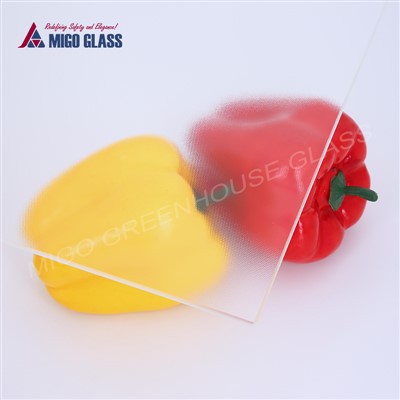
This high-performance front and back cover glass is engineered specifically for dual-glass and bifacial photovoltaic (PV) modules. Designed to meet the stringent demands of utility-scale solar arrays and high-efficiency module manufacturing, this low-iron solar glass combines superior optical transmittance with exceptional mechanical strength. Advanced thermal tempering and precise surface processing ensure reliable structural protection and long-term durability in diverse outdoor environments, supporting automated, high-throughput module assembly lines worldwide.
Key Advantages
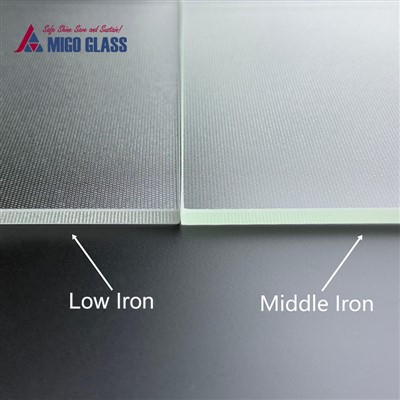
Maximum Power Output: Ultra-high solar transmittance driven by controlled low-iron chemistry maximizes photon absorption and cell efficiency.
Engineered Mechanical Resilience: Advanced thermal tempering delivers high resistance to wind loads, snow accumulation, and hail impacts.
Long-Term Environmental Stability: Optimized formulation prevents potential-induced degradation (PID) and maintains structural integrity under extreme climate shifts.
Technical Specifications
|
Item |
Specification |
|
Product Type |
Front & Back Cover Glass for PV Modules |
|
Glass Type |
Low-Iron Tempered Solar Glass |
|
Application Structure |
Dual-Glass & Bifacial PV Modules |
|
Thickness Range |
1.6 mm – 4.0 mm |
|
Maximum Size |
Customized per project and cell layout specifications |
|
Light Transmittance |
≥ 91.5% (Base Glass, thickness dependent) |
|
Iron Content Fe₂O₃ |
Minimal PPM-controlled composition |
|
Edge Processing |
Flat edge, seamed edge, or customized beveled finish |
|
Surface Options |
Textured, anti-reflective (AR) coated, or smooth matte |
|
Geometry |
Rectangular or custom geometric dimensions |
Optical & Mechanical Performance
Optical Efficiency: High solar transmittance minimizes energy reflectivity and enhances light trapping.
Load Capacity: High structural load resistance allows thin glass configurations (down to 1.6 mm) to perform reliably under mechanical stress.
Thermal Endurance: Excellent thermal shock resistance prevents cracking caused by rapid diurnal temperature fluctuations.
Surface Integrity: Stringent micro-defect and distortion control ensures uniform lamination and prevents localized hot spots.
Encapsulation Compatibility: Surface properties are optimized for seamless bonding with EVA, POE, and other PV encapsulants.
Manufacturing Process
The production workflow adheres to rigorous quality control frameworks to guarantee dimensional and optical uniformity:
Raw Material Control: Sourcing of high-purity silica sand with verified low iron levels.
Precision Cutting & Edging: Micro-crack prevention via automated precision edge grinding.
Thermal Tempering: Controlled heating and rapid quenching cycles optimize the surface compression layer.
Coating Integration: Uniform application of anti-reflective coatings to enhance light transmittance.
In-Line Quality Inspection: Automated laser and optical systems scan for geometric accuracy and surface defects.
Applications
This engineered glass series is integrated into high-reliability solar architectures:
- Utility-scale ground-mounted PV projects
- Commercial and industrial (C&I) rooftop installations
- Bifacial tracking systems and floating solar arrays
- Building-integrated photovoltaics (BIPV)
Customization Capability
Tailored configurations support specific module formats and manufacturing line requirements:
- Ultra-thin options (1.6 mm & 2.0 mm) for next-generation lightweight dual-glass modules
- Customized large-format dimensions matching modern wafer and cell sizes
- Specialized edge profiles to facilitate automated aluminum frame insertion
- Variable surface texturing and anti-reflective coating layer options
- Customized, factory-ready packaging layouts optimized for automated unboxing systems
Quality Control & Certifications
Quality assurance operations monitor the complete production lifecycle from batching to final dispatch. Manufacturing processes comply with international quality and safety management systems, backed by compliance tracking for:
- ISO Management Standards
- CE Mark (European Conformity)
- SPF Testing Criteria
- TUV Certification Requirements
Full traceability documentation, factory test reports (FTR), and material compliance data sheets are provided systematically.
Packaging & Delivery
Secure packaging architectures are engineered to withstand international multi-modal transit and automated material handling:
- High-density protective separators between glass sheets to eliminate friction and scratches
- Reinforced, moisture-resistant, ISPM-15 compliant wooden crates or heavy-duty steel stillages
- Optimized container weight distribution patterns to ensure transit stability and maximize safety
- Export-ready documentation ensuring streamlined international logistics and customs clearance
FAQ
Hot Tags: front and back cover glass for pv modules, China front and back cover glass for pv modules manufacturers, suppliers, factory, Bifacial Transparent Solar Glass, High Durability Functional Glass, Nano Low Reflection Solar Glass, OEM PV Module Encapsulation Glass, Turnkey Solar Project Glass, Ultra Thin Bifacial Module Glass