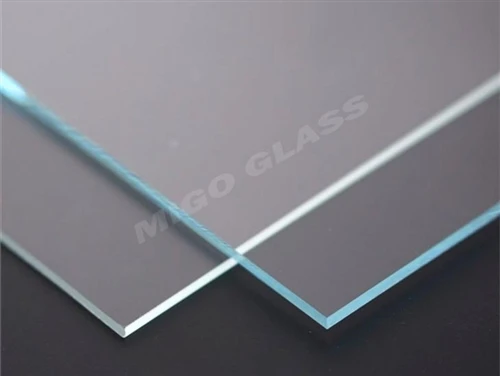
In many recent PV projects, 3.2mm P/M solar glass shows up more and more. It's not because it's "new" or "advanced", but mainly because it sits in a comfortable middle point.
Not too heavy. Not too thin. Just workable for most module designs today.
1. Why 3.2mm is used
Compared with 4.0mm glass, the difference is quite direct:
lighter modules, easier to move around on site
lower shipping weight, especially in container loading
less stress on mounting structure
overall cost drops a bit, nothing dramatic but noticeable
For large solar farms, these small differences matter more than people expect.
2. About P/M surface
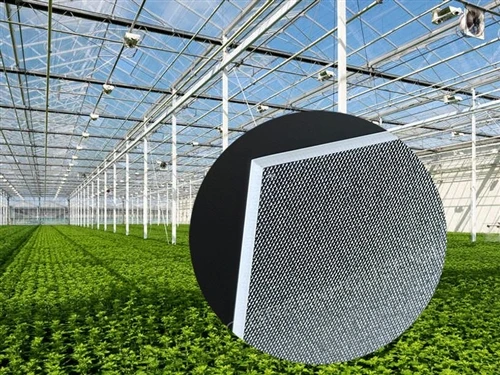
P/M (patterned / moth pattern) is not a complicated technology.
It's basically a surface texture.
In practice it helps with:
slightly less reflection
light entering the module more easily
surface not feeling "too smooth", which also helps durability in a way
It's simple, and it's been used for a long time in solar glass.
3. Where it is usually used
You will mostly see 3.2mm P/M glass in:
utility-scale ground solar plants
TOPCon / HJT / N-type modules
double glass module structures
Basically, any project that wants a balance between performance and cost control.
4. One simple way to look at it
3.2mm P/M solar glass is not trying to be the best in any single point.
It's just the one that "fits" most mainstream projects:
not too heavy, not too risky, and still stable enough for long-term outdoor use.
Please find more information about Solar Glass Solution here!!