Choosing the Right Greenhouse Glass Starts with Light Transmission
When planning a commercial greenhouse, factors such as structural design, climate control, and irrigation systems often receive significant attention. However, one of the most critical decisions is frequently underestimated-the selection of greenhouse glass. The right glazing material not only determines how much natural light enters the greenhouse but also influences crop quality, energy efficiency, and long-term return on investment.
Among all technical specifications, light transmission should be the first factor to evaluate.
High light transmission allows more sunlight to reach crops, providing the energy required for photosynthesis and healthy plant development. However, maximizing light is not simply about allowing more sunlight to pass through. Equally important is how that light is distributed throughout the greenhouse.
This is where greenhouse diffuse glass offers significant advantages over conventional float glass.
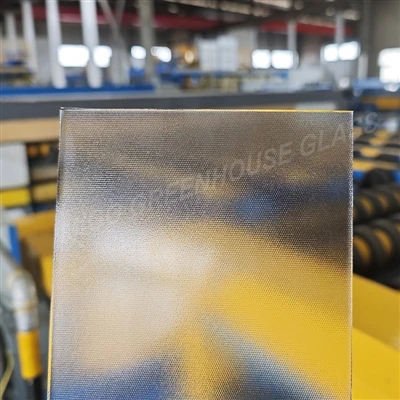
Unlike float glass, which allows sunlight to enter in a direct beam, embossed glass features a specially designed patterned surface that scatters incoming light evenly throughout the greenhouse. The result is a brighter, more balanced growing environment with improved light penetration into the lower plant canopy.
Advantages of Embossed Diffused Glass Over Float Glass
- More Uniform Light Distribution
Diffused light reaches all areas of the greenhouse, reducing strong contrasts between sunny and shaded zones.
- Higher Light Utilization
More usable light reaches the middle and lower leaves, improving photosynthetic efficiency across the entire crop canopy.
- Reduced Leaf Burn and Heat Stress
By minimizing direct sunlight concentration, embossed glass helps prevent hotspots and protects crops from excessive radiation.
- Improved Crop Quality and Yield
Balanced light conditions promote more uniform plant growth, better fruit coloration, and higher overall productivity.
- Better Greenhouse Climate Stability
Even light distribution contributes to a more consistent internal environment, supporting healthier crop development and reducing plant stress.
Embossed diffused glass is particularly suitable for high-value crops that require consistent light conditions, including tomatoes, cucumbers, peppers, strawberries, lettuce, herbs, ornamental flowers, and young seedlings. These crops benefit from improved canopy light penetration and a stable greenhouse microclimate throughout the growing season.
For greenhouse builders and growers, choosing glass based solely on price can lead to missed opportunities for improving crop performance. Selecting high-quality embossed diffused glass with excellent light transmission and optimized haze provides long-term value through higher productivity, improved crop consistency, and greater operational efficiency. In modern greenhouse construction, choosing the right glass truly begins with choosing the right light.