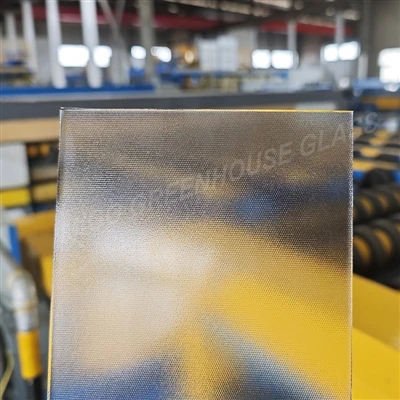
While PV glass relies on single-side AR coating due to its laminated structure, the cover glass for flat-plate thermal collectors takes a completely different path-ranging from double-side coated to completely uncoated glass.
It all comes down to how the glass is positioned in the assembly.
Unlike PV glass, which is fused directly to a solar cell, the cover glass of a flat-plate collector stands alone as a protective top window. With both its outer and inner surfaces exposed to the air, the optical requirements change entirely:
🔹 The Case for Double-Side Coating: Light passes through two air-to-glass boundaries. Each surface suffers a 4% reflection loss, dropping total transmittance to about 91%. Applying an AR coating to both sides eliminates reflection at both interfaces, boosting total light transmittance to an incredible 97% to 98% for maximum heating efficiency!
🔹 The Case for Zero Coating: For certain markets with harsh outdoor environments, heavy dust, or tighter project budgets, some clients prefer to eliminate the risk of coating wear over a long lifespan. Uncoated ultra-clear glass offers a highly practical, reliable baseline transmittance of around 91.5% with zero maintenance risks.
The takeaway? PV glass design focuses on lamination security. Flat-plate collector design, however, is a beautiful balance between maximum thermal performance and rugged longevity.