1. Common Receiving Misconceptions: Risks in the Final Stage
When a shipment of solar glass reaches the warehouse, most of the difficult work seems to be over. Production is finished. Packaging is completed. The container has crossed the ocean and passed customs. At that point, unloading looks like the easiest part of the process. Yet many glass companies have experienced the opposite. The glass leaves the factory in good condition, arrives at the destination without any transportation claims, and then a problem appears during unloading or shortly afterward. Sometimes it is a chipped corner. Sometimes a damaged crate. Occasionally, an entire package needs to be re-inspected before it can enter production.
2. Pre-Inspection Before Opening: Avoid Hidden Maritime Risks
For this reason, experienced warehouse teams rarely rush when opening a solar glass container. After weeks at sea, nobody knows exactly what happened inside the container. Most shipments arrive perfectly fine, but containers are exposed to vibration, movement, and changing weather conditions throughout the journey. Taking a few moments to check the cargo before unloading starts is never wasted time.
3. Forklift Operation: Steady Handling to Avoid Hidden Stress
Forklift handling is another area where small details matter. Solar glass crates are not difficult to move, but they do require patience. Fast acceleration, sudden braking, or uneven lifting may not leave obvious marks on the packaging, yet the glass inside can experience stress that was never intended.
4. Core Hidden Risks: Minor Mistakes Cause More Damages Than Major Accidents
Interestingly, the biggest risk is often not a major accident. It is the small things. A crate touching the ground harder than expected. Forks that are not fully inserted. A corner that lightly contacts another package during movement. These moments happen quickly and are easy to overlook.
5. Key Protection Focus: Glass Edges Are Vulnerable to Hidden Damage
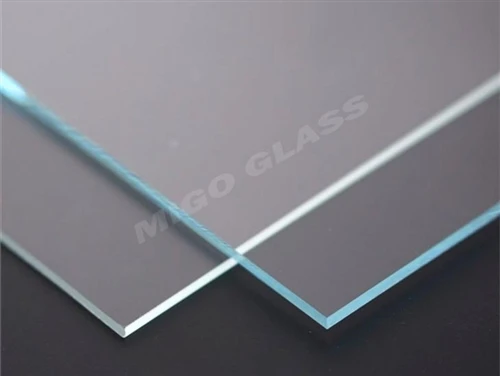
The edges of solar glass are especially sensitive. Most people naturally focus on the large glass surface, but glass professionals often pay attention to the edges first. A tiny impact at the edge can sometimes create problems that are only discovered when the crate is opened later.
6. Inspection Before Sign-Off: Check Packaging and Keep Evidence
The packaging itself often provides useful clues. A broken wooden support, a loose steel band, or signs of moisture exposure deserve attention before the delivery documents are signed. Taking photos takes only a few minutes and can be valuable if questions arise afterward.
7. Post-Unloading Storage: Standardize Environment to Prevent Secondary Damage
Storage conditions after unloading also deserve consideration. A level floor, a dry environment, and proper support underneath the crates are usually enough. Problems are more likely to appear when glass is left on uneven ground or stored in areas with frequent forklift traffic.
8. Product Characteristics: Durable for Outdoor Use but Vulnerable to Rough Handling
Solar glass is designed to spend decades outdoors facing wind, rain, heat, and snow. But before it ever reaches a solar module, it still depends on careful handling.
9. Operation Standard: Smooth and Trouble-Free Unloading Is the Optimal Result
Most successful unloading operations are uneventful. Nobody talks about them because nothing goes wrong. And that is usually the best result possible. A quiet unloading day often means the glass can move directly into production exactly as it was intended.