As global demand for renewable energy continues to grow, the photovoltaic (PV) industry is placing increasing focus on improving module efficiency, durability, and long-term power generation performance.
While much attention is often given to solar cells and inverter technologies, solar glass has quietly become one of the most critical components influencing overall PV module performance.
Today, solar glass is no longer simply a protective covering material. It has evolved into a key energy efficiency enabler that directly impacts light transmission, module reliability, and long-term energy yield.
The Expanding Role of Solar Glass in PV Modules
In a standard photovoltaic module, solar glass serves as the outermost layer protecting solar cells from environmental exposure such as wind, moisture, dust, and temperature fluctuations. However, modern PV projects now require much more from glass than basic protection.
High-performance solar glass must help maximize solar energy transmission while maintaining mechanical strength and long-term stability. Even small improvements in glass transparency and coating technology can significantly increase module power output over the lifecycle of a solar installation.
For utility-scale solar farms and commercial rooftop systems, project developers are increasingly evaluating solar glass not only from a safety perspective, but also from an energy efficiency and return-on-investment standpoint.
How Solar Glass Improves PV Energy Efficiency
Higher Light Transmission
One of the most important functions of solar glass is allowing maximum sunlight to reach photovoltaic cells.
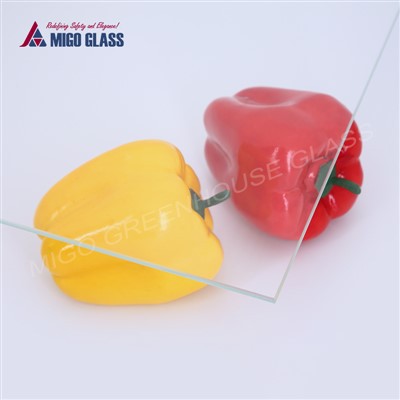
Low-iron solar glass is widely used in modern PV modules because it offers significantly higher light transmittance compared with standard float glass. Reduced iron content minimizes the green tint commonly seen in ordinary glass and improves solar energy absorption efficiency.
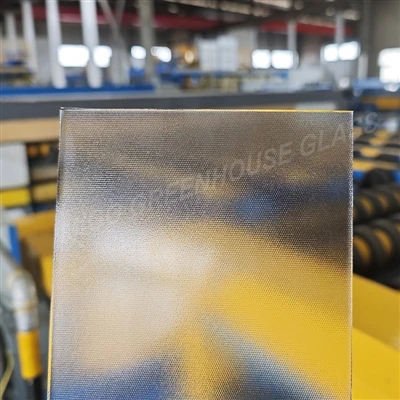
Advanced anti-reflective (AR) coatings further reduce light reflection losses, enabling more sunlight to enter the module surface. This directly contributes to higher power generation efficiency.
Better Performance in Diverse Climate Conditions
Solar projects operate under highly variable environmental conditions, including high temperatures, humidity, snow loads, sandstorms, and coastal corrosion environments.
High-quality tempered solar glass improves module durability and reduces the risk of microcracks or structural failures over time. Stable glass performance helps maintain consistent energy output throughout the module's service life.
In bifacial PV modules, solar glass also plays a crucial role on both the front and back sides of the panel. High-transparency back glass allows reflected sunlight to reach rear-side cells, increasing total energy generation capacity.
Supporting Larger and More Efficient PV Modules
As PV module sizes continue to increase, solar glass manufacturers must meet higher standards for flatness, strength, dimensional accuracy, and processing consistency.
Large-format PV modules require glass with excellent mechanical performance while remaining lightweight enough for transportation and installation efficiency. Precise tempering and processing technologies are becoming increasingly important for module manufacturers aiming to reduce breakage rates and improve production stability.
The Growing Demand for Double Glass PV Modules
Double glass solar modules are gaining popularity across utility-scale and high-performance solar projects due to their enhanced durability and longer service life.
Compared with traditional backsheet modules, double glass structures provide:
Better moisture resistance
Improved fire resistance
Lower degradation rates
Enhanced mechanical strength
Longer operational lifespan
As a result, demand for solar glass for both front and back glass applications continues to rise globally.
This trend is also driving higher technical requirements for solar glass manufacturers, particularly in areas such as optical performance, tempering quality, coating uniformity, and large-scale production capability.
Why Solar Glass Manufacturing Expertise Matters
In the PV industry, glass consistency directly affects module production efficiency and long-term field performance. Variations in thickness, flatness, or coating quality can lead to lamination issues, lower yield rates, and reduced module reliability.
For PV module manufacturers and EPC companies, selecting a professional solar glass supplier is increasingly a strategic supply chain decision rather than simply a raw material purchase.
As a professional solar glass manufacturer, MIGO GLASS supplies solar glass solutions for both front glass and back glass of PV modules. With experience in processed glass manufacturing and quality control, MIGO GLASS focuses on delivering stable optical performance, reliable tempering quality, and consistent production standards for global photovoltaic projects.
Rather than competing only on price, professional manufacturers are now expected to support module makers with dependable quality consistency, technical communication, and long-term production reliability.
The Future of Solar Glass in the PV Industry
As the photovoltaic industry continues moving toward higher efficiency modules, bifacial technology, and longer product lifecycles, solar glass will play an even more important role in overall system performance.
Future developments are expected to focus on:
Higher transmittance coatings
Thinner and lighter solar glass
Improved durability for harsh climates
Better compatibility with next-generation solar cells
Enhanced performance for bifacial and tandem modules
In many ways, solar glass is evolving from a passive structural material into an active contributor to PV energy generation efficiency.
For developers, module manufacturers, and solar investors, understanding the value of high-performance solar glass is becoming essential when evaluating long-term photovoltaic project success.