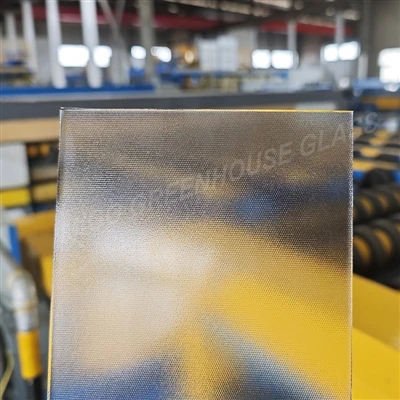
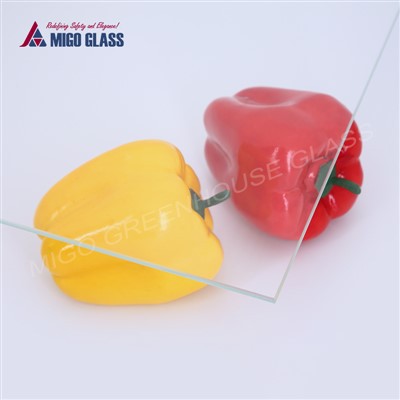
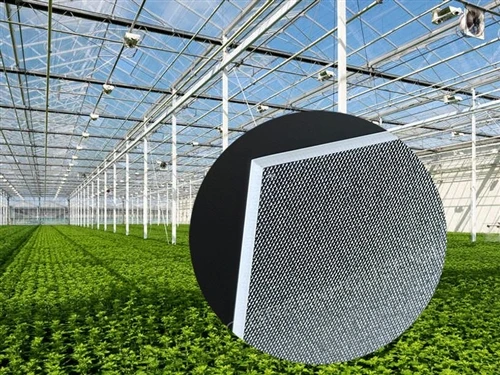
Solar glass plays an important role in photovoltaic modules because sunlight must pass through the front glass before reaching the solar cells. In addition to using low iron glass with good optical clarity, photovoltaic module manufacturers may use anti-reflective coated solar glass, commonly known as AR coated solar glass, to reduce reflection from the glass surface.
What Is AR Coated Solar Glass?
AR coated solar glass is solar glass with an anti-reflective coating applied to its surface. The purpose of the coating is to reduce the amount of incoming light reflected by the glass and allow more light to pass through toward the solar cells.
Low iron glass is commonly associated with photovoltaic applications because of its optical properties. When combined with an appropriate anti-reflective coating, the glass can further support the optical requirements of photovoltaic module designs.
The exact glass and coating configuration depends on the module manufacturer and intended application.
Why Is Anti-Reflective Coating Important?
Whenever sunlight reaches a glass surface, part of the light can be reflected rather than transmitted through the glass. For a photovoltaic module, reducing unnecessary surface reflection can help increase the amount of available light reaching the solar cells.
This is why optical performance is an important consideration when selecting PV module cover glass.
However, AR coating should not be considered independently. The overall performance of solar glass can also depend on the base glass, surface structure, processing method, coating system, and photovoltaic module design.
AR Coated Glass and Low Iron Solar Glass
Low iron solar glass and AR coating perform different functions.
Low iron glass is designed with reduced iron content compared with conventional clear glass, helping improve optical clarity. An anti-reflective coating is a surface treatment intended to reduce reflection.
Combining these technologies allows photovoltaic manufacturers to select glass according to the optical and production requirements of their modules.
Different PV applications may require different combinations of glass thickness, surface pattern, coating, tempering, and other processing.
What Should Buyers Consider?
When sourcing AR coated solar glass, buyers should consider more than the coating itself. The glass must also be compatible with the module design and production process.
Important purchasing information may include:
- Required glass dimensions and thickness
- Low iron glass requirements
- Surface or pattern requirements
- Tempering requirements
- Anti-reflective coating requirements
- Edge processing
- Order quantity
- Photovoltaic module application
- Packaging and destination market
Providing these details during the quotation stage helps the glass supplier understand the intended application and processing requirements.
Choosing Solar Glass for PV Modules
There is no single solar glass configuration suitable for every photovoltaic module. The appropriate solution depends on the module structure, production process, optical requirements, and project specifications.
For module manufacturers and B2B buyers, evaluating the base glass, AR coating, surface treatment, processing, and module application together is more useful than selecting glass based on one feature alone.
Looking for AR coated solar glass or low iron PV module cover glass?
Contact MIGO with your required dimensions, thickness, quantity, processing requirements, application, and destination market to discuss your solar glass requirements.