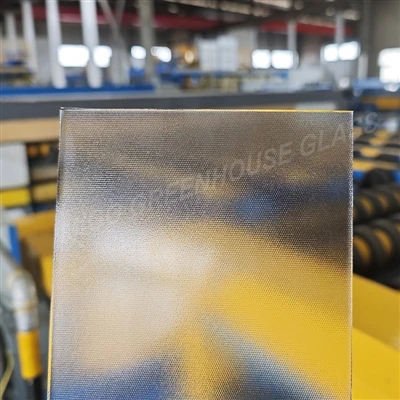
When designing or sourcing solar modules, we are always balancing two critical factors: maximizing power output and ensuring the panel survives the elements.
As a dedicated manufacturer, we hear one question a lot: "Which glass thickness should I choose?" The fundamental rule of thumb is simple: the thinner the glass, the more light gets through to the solar cells. But the flip side is that thinner glass loses some structural strength.
To help you find the perfect balance for your project, here is a quick, honest breakdown of how our three primary thicknesses-1.6mm, 2.0mm, and 3.2mm-perform in the real world.
1. 1.6mm Ultra-Thin Glass: Maximum Efficiency, Minimum Weight
The Good: Because it's so thin, it offers incredible light transmittance, giving your modules a noticeable boost in peak power. It also makes the panels incredibly light and easier to handle.
The Catch: Less physical mass means lower resistance to heavy wind pressure and severe hail.
Where it shines: Perfect for weight-restricted projects, ultra-light flexible modules, and building-integrated photovoltaics (BIPV) where every kilogram matters.
2. 2.0mm Glass: The Sweet Spot for Dual-Glass Modules
The Good: It strikes a fantastic middle ground. You get a significant weight reduction and excellent light transmittance without sacrificing too much durability.
The Catch: To handle high wind loads safely, it usually needs to be paired with a dual-glass design or a very precise framing system.
Where it shines: This has become the go-to standard for double-glass (glass-glass) bifacial modules, utility-scale solar farms, and modern agricultural greenhouse roofs.
3. 3.2mm Glass: The Reliable Industry Workhorse
The Good: This is our most mature, high-volume product line for a reason. It is incredibly tough, highly reliable, and stands up to heavy snow, high winds, and harsh hail without breaking a sweat.
The Catch: It adds significant weight to the module, and because the glass is thicker, the light transmittance is slightly lower than our ultra-thin options.
Where it shines: The absolute gold standard for traditional single-glass modules, residential rooftop setups, and any region prone to extreme weather.
Let's Find Your Perfect Match
Every project has different priorities-some need to shave off weight, while others need to withstand heavy storms. If you are trying to decide which thickness makes the most sense for your upcoming production run, just reach out to us. We're always here to talk through the technical details and find the right fit for your team.