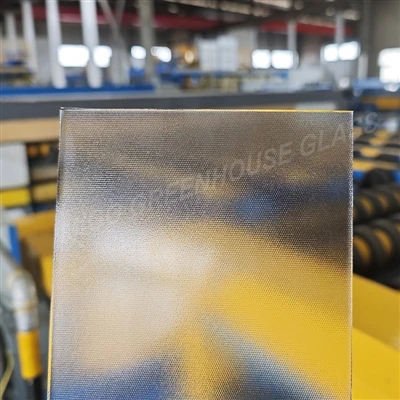
In the solar industry, most attention usually goes to cell technologies (TOPCon / HJT / BC).
However, there is one critical component that is often underestimated but rapidly evolving - Solar Glass (Photovoltaic Glass).
It is not just a "cover layer", but a key material that directly impacts efficiency, durability, and long-term performance of PV modules.
1. What is the Role of Solar Glass in PV Modules?
Solar glass is the top layer of a photovoltaic module, and it mainly serves three functions:
✔ Light transmission – allowing maximum sunlight to reach the solar cells
✔ Protection – resisting wind, sand, hail, UV, and harsh environments
✔ Structural stability – ensuring long-term module integrity
In simple terms:
👉 It is both a "window for sunlight" and a "protective shield".
2. Why Are High-Efficiency Modules Paying More Attention to Solar Glass?
With the rapid adoption of high-efficiency technologies (TOPCon / HJT / N-type), the demand for higher light utilization has significantly increased.
Limitations of traditional glass are becoming more obvious:
Higher reflection loss
Limited light transmittance
Dust accumulation affects performance
Long-term durability differences
As a result, the industry is shifting toward:
👉 Low Iron + AR Coated Solar Glass
3. Key Advantages of AR Coated Solar Glass
Compared with standard solar glass, AR (Anti-Reflective) coated glass provides clear improvements:
✔ Higher light transmittance (typically up to 93%+)
✔ Reduced reflection loss (more light enters the cells)
✔ Improved power output (around 2%–3% efficiency gain)
✔ Better anti-soiling performance (less dust adhesion)
In large-scale solar projects, even a 2% gain can translate into significant lifetime revenue.
4. Industry Trend: Solar Glass Is Becoming More Functional
Solar glass is no longer just a protective material - it is evolving into a functional performance material:
📌 Ultra-clear low iron glass becomes the standard
📌 Dual-glass modules are increasingly mainstream
📌 Continuous improvement in AR coating technologies
📌 Thinner glass trends (3.2mm / 2.0mm)
📌 Enhanced features: anti-PID, anti-UV, self-cleaning properties
Competition in PV modules is increasingly shifting toward materials innovation.
5. Why This Matters for Project Cost
Many buyers focus only on:
💰 Module price per watt
However, what truly determines LCOE (Levelized Cost of Electricity) is:
✔ Long-term power generation efficiency
✔ Degradation rate
✔ Operational stability
High-performance solar glass directly improves lifetime energy yield and return on investment.
We specialize in providing:
☀️ AR Coated Solar Glass
☀️ Low Iron Solar Glass
☀️ 3.2mm / 4.0mm photovoltaic glass solutions
Applications:
TOPCon modules
HJT modules
Dual-glass modules
Utility-scale & commercial PV projects
Conclusion
Solar glass is not a secondary material - it is the first entry point of solar energy efficiency.
Future competition in the PV industry is not only about cell technology, but also about material performance.
Please find more information about Solar Glass Solusion here!!