In photovoltaic modules, small improvements in light transmission can translate into significant gains in lifetime energy yield.
One of the most important upgrades in modern solar glass is AR (Anti-Reflective) coating.
But why does it matter so much?
1. The Core Problem: Light Loss at the Surface
When sunlight hits standard solar glass, a portion of it is lost immediately due to reflection.
That means:
❌ Less light reaches the solar cells
❌ Lower power generation efficiency
❌ Long-term cumulative energy loss
Even if the loss seems small per moment, it becomes significant over a 25–30 year project lifecycle.
2.The AR Coating Solution
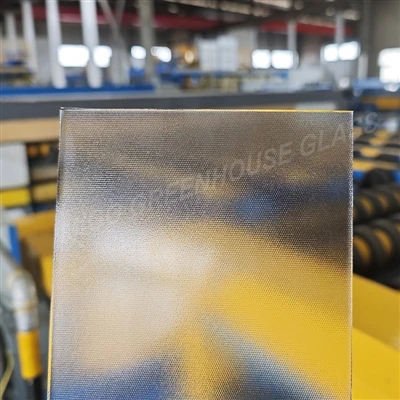
AR-coated solar glass reduces surface reflection by improving optical performance.
Instead of light bouncing away, more sunlight is guided into the module.
Key improvements include:
✔ Higher light transmittance (up to 93%+)
✔ Lower surface reflection loss
✔ Increased energy absorption by PV cells
3. Real Impact: Efficiency Gain
In real PV applications, AR-coated glass can improve module power output by approximately:
👉 2%–3% additional energy yield
This may sound small, but in utility-scale solar farms:
💰 It translates into significant lifetime revenue increase
📈 Improves LCOE (levelized cost of electricity)
🌍 Enhances project investment return
4. Why This Matters More Today Than Before
With high-efficiency cell technologies like TOPCon and HJT:
Cells are no longer the only efficiency driver
Optical loss has become a key bottleneck
Every fraction of light matters more than ever
That's why solar glass is evolving from a "protective layer" into a performance-enhancing material.
Conclusion
In modern PV systems, efficiency is no longer determined by cells alone.
👉 It starts at the very first interface - the glass.
AR-coated solar glass is one of the simplest but most effective ways to unlock hidden performance in every module.
Please find more information about Solar Glass Solusion here!!