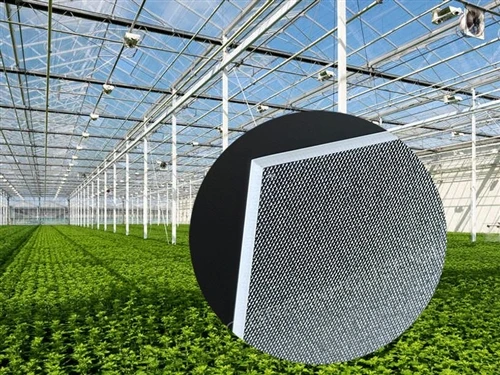
Greenhouse roof glass plays an important role in natural light transmission, weather protection, and the operating conditions of commercial growing facilities. While glass thickness and light transmittance are important, installation orientation is another detail that should not be overlooked.
For greenhouse builders, agricultural contractors, and international B2B buyers, confirming the correct orientation of glass panels can help ensure the glazing system performs as intended.
1. Understand Glass Surface Orientation
Not all greenhouse glass has identical surfaces.
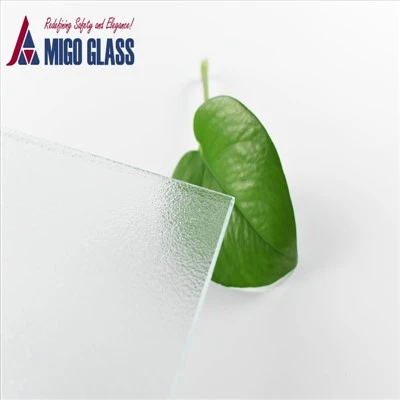
Some products feature smooth surfaces, while others use textured or diffused patterns to modify light distribution. Certain greenhouse glass products also include anti-reflective or other functional coatings.
For glass with different surface treatments on each side, the manufacturer may specify which surface should face outdoors or toward the greenhouse interior.
Buyers should confirm these requirements before installation instead of assuming that both sides are interchangeable.
2. Consider Light Distribution
The orientation of textured greenhouse glass may influence how light enters and spreads through the growing environment.
Diffused glass is designed to scatter incoming sunlight and distribute light more evenly across crop areas.
However, the optical effect depends on the actual glass pattern, surface design, and installation conditions.
For projects using patterned glass, buyers should request technical information about surface orientation and relevant optical performance.
3. Coordinate Roof Slope and Drainage
Greenhouse roof design must allow rainwater and surface moisture to drain appropriately.
Roof slope, glazing joints, drainage channels, and panel installation details all influence water management.
The glass installation should follow the approved greenhouse structural design, including required overlaps, sealing arrangements, and fixing details.
Correct drainage planning also helps reduce unnecessary water accumulation around the glazing system.
4. Check Coating Compatibility
Some greenhouse glass products feature functional coatings intended to improve optical or surface performance.
Depending on the coating technology, installation orientation may affect the intended function or environmental exposure of the treated surface.
Buyers should verify whether the coating is designed for exterior or interior installation and confirm the manufacturer's cleaning and maintenance recommendations.
This is especially important for customized greenhouse glazing projects.
5. Confirm Installation Details Before Ordering
Before purchasing greenhouse roof glass, B2B buyers should provide:
- Greenhouse roof drawings and panel dimensions
- Glass type and thickness
- Smooth or patterned surface requirements
- Coating specifications
- Required installation orientation
- Roof slope and drainage design
- Edge processing and fixing requirements
- Order quantity and packaging specifications
Clear technical documentation can help manufacturers identify suitable glass products and reduce installation misunderstandings.
Conclusion
Glass panel orientation is an important consideration in greenhouse roof installation, particularly when using patterned or coated glass.
By confirming surface direction, optical requirements, drainage arrangements, and installation specifications, greenhouse contractors and international buyers can make better purchasing decisions.
For customized greenhouse glazing solutions, explore MIGO Solar Glass and its range of commercial greenhouse glass products.