For What Type of Greenhouse Is Greenhouse Diffused Glass Suitable?
When designing a commercial greenhouse, selecting the right glazing material is a critical decision that directly affects crop growth, energy efficiency, and long-term productivity. While traditional float glass has been widely used in greenhouse construction, more growers and greenhouse builders are now choosing greenhouse diffused glass to optimize light distribution and create a better growing environment.
Diffused Glass vs. Float Glass: What Makes the Difference?
Traditional float glass allows sunlight to pass through in a direct way. Although it provides high light transmission, direct sunlight can create strong shadows, uneven light distribution, and excessive light intensity on the upper leaves of plants.
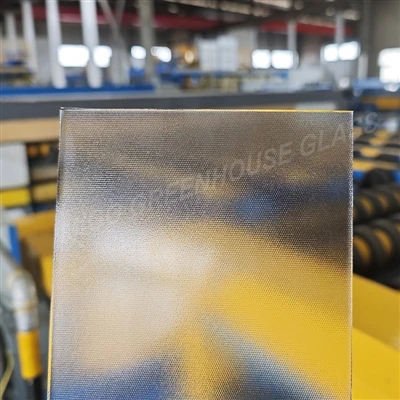
Diffused glass, produced with an embossed surface pattern, changes the direction of incoming sunlight and spreads it more evenly throughout the greenhouse. Compared with standard float glass, diffused glass provides several important advantages:
1. More Uniform Light Distribution
The embossed surface scatters direct sunlight and allows light to penetrate deeper into the plant canopy. This helps lower leaves receive more usable light, improving overall photosynthesis efficiency.
2. Reduced Shadow Effects and Leaf Burn
Direct sunlight can create hot spots that may cause leaf stress or plant damage. Diffused glass reduces concentrated light intensity and creates a softer lighting environment, helping maintain healthier plant growth.
3. Improved Crop Yield Potential
By increasing light availability throughout the entire plant structure, diffused glass can support better plant development, especially for tall crops with dense foliage.
4. Better Greenhouse Climate Control
Diffused light reduces temperature differences between illuminated and shaded areas, helping create a more stable microclimate inside the greenhouse and improving growing consistency.
Which Plants Benefit from Diffused Light?
Diffused light is particularly valuable for crops that require balanced light distribution and have dense plant structures. Common applications include:
- Tomatoes – Improve light penetration into lower leaves and support uniform fruit development.
- Cucumbers – Reduce excessive direct radiation and maintain stable growth conditions.
- Peppers – Help prevent leaf stress caused by strong sunlight.
- Leafy vegetables – Provide softer light conditions for uniform growth.
What Greenhouses Are Suitable for Diffused Glass?
Diffused glass is especially suitable for:
- Commercial production greenhouses focusing on high yield and crop quality.
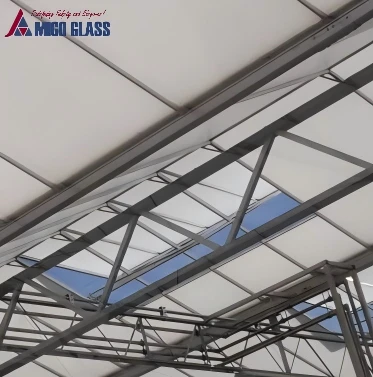
- Large-scale glass greenhouses where climate stability and energy efficiency are important.
- Greenhouses located in regions with strong sunlight, such as Southern Europe, the Middle East, Australia, and Mexico.
- High-value crop cultivation projects where improved crop performance can justify higher investment.
For greenhouse builders and professional growers, diffused glass is not simply an alternative to traditional float glass-it is a performance-oriented solution designed to maximize the value of natural sunlight.
By selecting the right embossed pattern, light transmission, and haze level according to crop requirements, growers can create a more efficient and productive greenhouse environment.