As the core vehicle for building-integrated photovoltaic (BIPV) technology, solar glass's design philosophy focuses not only on improving energy conversion efficiency but also on synergistically optimizing architectural aesthetics, environmental adaptability, and user needs. This innovative material, by deeply integrating photovoltaic modules with traditional glass craftsmanship, not only achieves clean energy production but also redefines the functional boundaries of building surfaces.
From a functional perspective, the design of solar glass is centered around maximizing photovoltaic conversion efficiency. Nano-coating technology is employed to balance the transmittance and absorbance of the glass, ensuring both natural lighting requirements and efficient capture of the solar spectrum. The application of monocrystalline silicon and perovskite tandem cells further overcomes traditional efficiency bottlenecks, while the integration of flexible thin-film cells enables glass to adapt to curved surfaces, meeting the complex shapes of modern architecture.
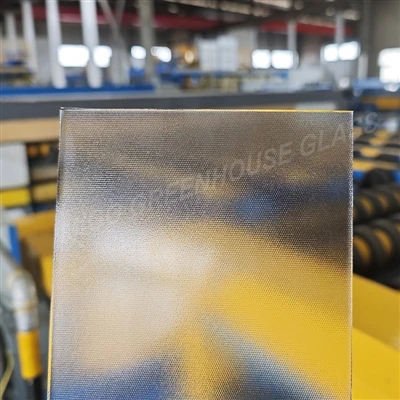
Aesthetically, designers manipulate the microstructure of the transparent conductive oxide (TCO) to ensure the glass maintains a clear appearance even when generating electricity. The incorporation of gradient color filters and customized textures allows solar glass to mimic the textures of traditional building materials like stone and wood, or create high-tech geometric patterns, thus eliminating the perceived disconnect between photovoltaic equipment and architectural aesthetics.
Environmentally adaptable design is reflected in the full lifecycle management of materials. The application of a self-cleaning nanocoating reduces maintenance costs, a low-iron ultra-clear glass substrate mitigates the heat island effect, and a modular packaging structure allows for rapid replacement of damaged areas. These detailed designs combine to create a solution that balances economic and ecological benefits.
In the future, with the integration of intelligent dimming technology and IoT systems, solar glass will further evolve into a smart interface that dynamically responds to environmental changes, establishing a new balance between energy production, information exchange, and spatial experience. This evolution in design philosophy signals a fundamental shift in human architectural civilization from an energy-consuming model to a symbiotic model of energy production.