Introduction
In modern greenhouse design, diffuse glass has become one of the most widely promoted greenhouse covering materials. Many greenhouse suppliers and growers believe that higher light diffusion automatically leads to better crop performance. As a result, greenhouse diffuse glass is often considered the default option for new projects.
However, experienced growers know that the reality is more complex. While diffuse glass for greenhouse applications can significantly improve light distribution in many situations, it is not universally superior. Crop type, climate conditions, sunlight intensity, and greenhouse structure all influence whether diffuse glass actually benefits production.
Choosing the wrong type of greenhouse glass can reduce crop yield, increase costs, and delay return on investment. Understanding when diffuse glass works-and when it doesn't-is critical for making the right decision.
Why Diffuse Glass Became Popular in Greenhouses
Traditional clear float greenhouse glass allows sunlight to pass directly through the glazing, creating strong beams of light that hit plants unevenly. This can cause shading in lower canopy layers and uneven crop growth.
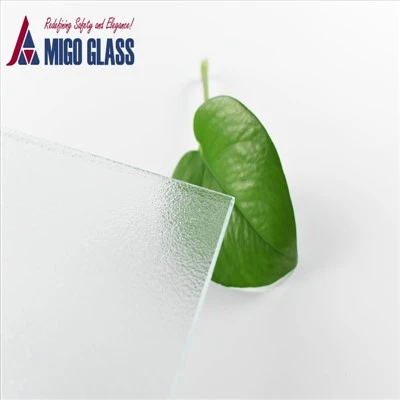
Diffuse glass, also known as horticultural glass with light diffusion, scatters incoming sunlight into multiple directions while maintaining high light transmission. Instead of direct beams, the light becomes softer and more evenly distributed throughout the greenhouse.
This offers several advantages:
- Better light penetration into the plant canopy
- Reduced leaf burn from direct sunlight
- More uniform crop growth
- Improved photosynthesis efficiency in some crops
For these reasons, many greenhouse designers prefer greenhouse diffuse glass as part of modern greenhouse glazing systems.
But diffusion alone does not guarantee better performance.
When Diffuse Glass May Not Be the Best Choice
Despite its benefits, diffuse glass is not ideal for every greenhouse project. Several key factors must be considered.
Crop Type
Different crops respond to light in different ways.
For example:
- Tomatoes and cucumbers often benefit from moderate diffusion because it helps light reach lower leaves.
- High-light crops may require stronger direct radiation to maximize photosynthesis.
- Young seedlings sometimes perform better under clearer glass that provides stronger light intensity.
Excessive diffusion can reduce the amount of direct radiation that certain crops rely on, which may slow growth or reduce productivity.
Selecting the right greenhouse covering materials therefore requires understanding crop physiology.
Climate Zone
Location plays a major role in determining the best greenhouse glazing solution.
In high-sunlight regions such as Southern Europe, the Middle East, or parts of North America, strong solar radiation can create overheating and plant stress. In these cases, diffuse glass can help soften light intensity and distribute it more evenly.
However, in low-light regions such as Northern Europe or Canada, growers may prioritize maximum light transmission rather than diffusion. High diffusion levels can slightly reduce total light intensity reaching crops.
For these climates, ultra-clear greenhouse glass or AR coated glass may be more suitable.
Light Intensity
The level of natural sunlight in a greenhouse environment significantly influences glass selection.
Diffuse glass works best when there is sufficient incoming sunlight to scatter. If the light level is already limited, scattering that light can sometimes reduce usable radiation.
That's why modern horticultural glass solutions often balance two factors:
- High light transmission
- Optimized diffusion rate
The right combination depends on local solar conditions and greenhouse design.
Greenhouse Structure
The greenhouse structure itself also affects light behavior.
Tall greenhouses with advanced ventilation and climate control systems may benefit more from diffuse greenhouse glass because light can spread deeper into the canopy.
However, smaller or lower structures sometimes benefit from clearer glass that maintains stronger direct radiation.
Glass selection should always be evaluated together with:
- greenhouse height
- structural shading
- ventilation systems
- crop layout
Ignoring these factors is a common mistake in greenhouse planning.
How to Choose the Right Greenhouse Glass
Rather than following industry trends, growers should evaluate several technical parameters when selecting greenhouse glass.
1. Light Transmission
High transmission ensures crops receive enough photosynthetically active radiation (PAR). Low-iron greenhouse glass is often preferred because it improves clarity and light efficiency.
2. Diffusion Rate
Different projects require different diffusion levels, typically ranging from moderate to high.
The optimal diffusion percentage should match:
- crop type
- greenhouse size
- local sunlight intensity
3. Anti-Reflective (AR) Coating
AR coated greenhouse glass can increase light transmission by reducing surface reflection. This helps maximize usable sunlight without sacrificing diffusion performance.
4. Project-Specific Design
Every greenhouse project is unique. The best greenhouse covering material depends on the interaction between crops, climate, and greenhouse structure.
Working with experienced manufacturers can help optimize this balance.
Expert Insight from MIGO GLASS
As a professional greenhouse glass manufacturer, MIGO GLASS supplies a wide range of horticultural glass solutions, including:
- Clear float greenhouse glass
- Diffuse greenhouse glass
- AR coated greenhouse glass
Through collaboration with greenhouse builders, agricultural companies, and growers worldwide, MIGO GLASS helps customers select the most suitable greenhouse glazing systems for their projects.
Rather than promoting a single product as the best option, the focus is always on matching light management strategies to the needs of each greenhouse environment.
This approach helps growers improve crop performance while maximizing long-term greenhouse efficiency.
Conclusion
Diffuse glass has played an important role in advancing modern greenhouse technology. Its ability to distribute sunlight evenly can significantly improve crop growth under the right conditions.
However, diffuse glass is not automatically the best solution for every greenhouse.
Successful greenhouse design requires balancing multiple factors, including:
- crop type
- climate conditions
- light intensity
- greenhouse structure
The best results come from selecting greenhouse glass that matches the specific needs of the project rather than simply following industry trends.
With the right expertise and carefully chosen horticultural glass, growers can create greenhouse environments that support both productivity and long-term sustainability.
Please find more information about Greenhouse Glass Solusion here!!