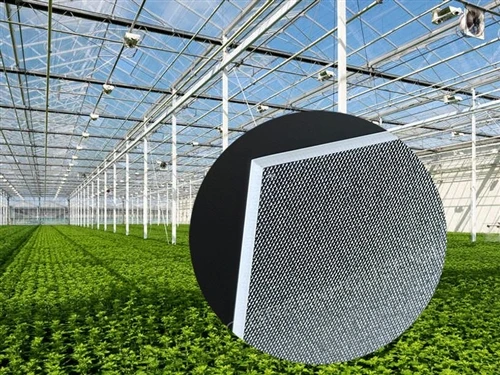
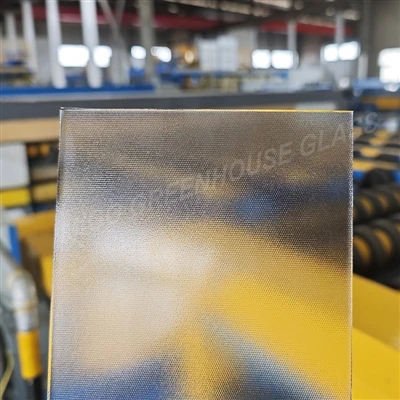
As a vital component of facility agriculture, greenhouse glass's light transmittance, thermal insulation, and durability directly impact the crop growing environment and greenhouse lifespan. Scientifically defined maintenance cycles and standardized maintenance measures are key to ensuring stable glass performance.
Regular Cleaning Cycle: A comprehensive cleaning is recommended every quarter. Greenhouse glass exposed to the outdoors for extended periods of time is susceptible to contaminants such as dust, bird droppings, and scale. These can reduce light transmittance by 3%-8%, further impacting plant photosynthesis efficiency. Use a neutral detergent and a soft-bristled brush when cleaning to avoid scratches caused by hard objects. Before the rainy season (usually March to May), strengthen inspections and promptly remove debris from the gutters to prevent water seepage and degradation of the sealant around the glass edges.
Structural safety inspections are recommended every six months. Check for cracked sealant in the glass joints and for rust or loose metal moldings. If not addressed promptly, these issues can lead to glass detachment. In regions with low winter temperatures (such as those in northern China), additional checks on the glass's condensation resistance should be conducted before the heating season (October-November). Adjusting temperature and humidity controls can reduce condensation corrosion on the frame.
Deep maintenance is performed annually. This includes a thorough inspection of the glass surface for microcracks (which can be observed using strong side illumination), replacement of aging sealants, and rust-proofing of frame connectors. For greenhouses over five years old, it is recommended to commission load-bearing and optical performance testing every two years to ensure that the glass's light transmittance remains above 85%.
Regulated maintenance cycles not only extend the lifespan of greenhouse glass (typically up to 15-20 years), but also maintain a stable microclimate, ultimately maximizing agricultural production efficiency.