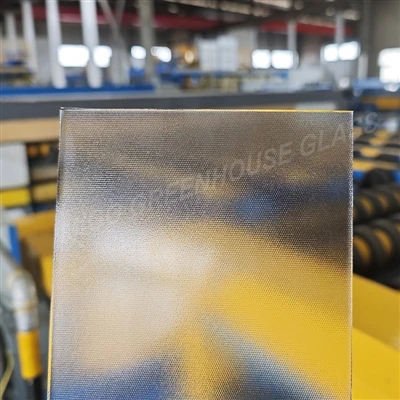
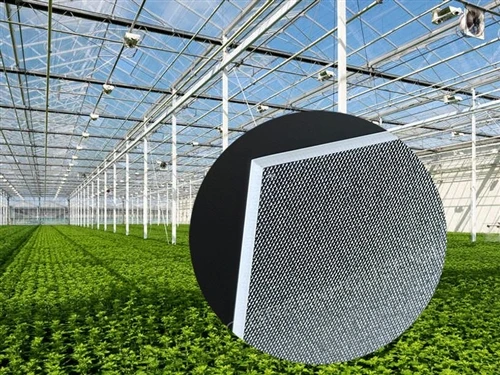
As a core material in modern facility agriculture, greenhouse glass's technical characteristics directly impact crop growth efficiency and energy utilization. Compared to traditional plastic film, greenhouse glass offers significant advantages in light transmittance, thermal insulation, durability, and environmental control.
First, high light transmittance is a key characteristic of greenhouse glass. High-quality float glass or low-iron glass can achieve light transmittances exceeding 90%, far exceeding the approximately 80%-85% achieved by ordinary plastic film. This maximizes the use of natural light and promotes plant photosynthesis. Furthermore, some greenhouse glass utilizes surface coatings (such as anti-reflective film) to further enhance light transmission and minimize light loss.
Second, excellent thermal insulation is another key feature of greenhouse glass. Double- or triple-layer insulating glass structures effectively reduce heat conduction. Combined with Low-E coating technology, it reflects infrared rays, minimizing heat loss in winter while blocking excessive heat radiation in summer. Experimental studies have shown that these types of glass greenhouses can save over 30% energy compared to single-layer plastic greenhouses, significantly reducing heating and cooling costs. In terms of durability and environmental adaptability, glass offers exceptional resistance to UV rays, corrosion, and impact, with a service life of 20-30 years, far exceeding plastic film (typically 2-5 years). Tempered or laminated glass can also withstand extreme weather conditions such as hail and strong winds, ensuring the safety of greenhouse structures.
Furthermore, modern greenhouse glass can integrate intelligent dimming technologies, such as electrochromic or photovoltaic glass, to dynamically adjust light transmission and energy production, enabling precise environmental control and clean energy utilization.
In summary, greenhouse glass, with its high light transmittance, low energy consumption, long lifespan, and intelligent potential, has become a key material for efficient agriculture and sustainable development. With future technological advancements, its application will further expand to vertical farms and urban agriculture.