As a core component of the photovoltaic industry, solar glass's structural design directly impacts its photovoltaic conversion efficiency and durability. With growing global demand for renewable energy, the foreign trade market for solar glass continues to expand, making understanding its structural characteristics crucial for both suppliers and buyers.
Structurally, solar glass is typically composed of multiple layers of composite materials. The outer layer is high-strength tempered glass, typically 3.2 mm to 6 mm thick, offering excellent impact resistance and light transmittance, protecting the internal components from environmental influences. The middle layer contains the photovoltaic cells, typically monocrystalline or polycrystalline silicon, responsible for converting sunlight into electricity. Some high-end products utilize thin-film cell technology to further reduce weight and enhance flexibility. The innermost layer, the backsheet, is often made of polymer or glass, providing insulation and sealing, ensuring the long-term stability of the cell modules.
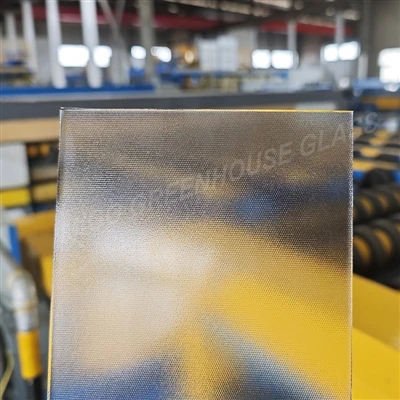
Surface treatment technology for solar glass is also crucial. Anti-reflective coatings are commonly used to increase light transmittance, allowing more sunlight to penetrate the glass and be absorbed by the cells. Some products also incorporate self-cleaning nano-coatings to reduce dust accumulation and lower maintenance costs. These structural optimizations significantly improve the performance of solar glass in harsh environments such as high temperature and high humidity.
In the international trade sector, demand for solar glass is primarily concentrated in Europe, North America, and Southeast Asia. Stringent building energy-saving standards in Europe and the United States drive strong demand for high-efficiency solar glass, while emerging markets such as Southeast Asia and Africa prioritize cost-effectiveness and durability. Suppliers must adjust their product structural designs based on the regulations and climatic conditions of their target markets, such as enhancing UV resistance or optimizing wind load resistance.
In the future, as the trend toward building-integrated photovoltaics (BIPV) advances, solar glass structures will become even more diverse, with lightweight and flexible designs becoming a new focus in the international trade market. Suppliers who master core structural technologies will gain an advantage in international competition.