In the rapidly evolving photovoltaic (PV) industry, the drive for higher module efficiency, lighter weight, and lower material costs has led to increasing adoption of ultra-thin solar glass. At thicknesses as low as 1.6 mm, low-iron tempered glass offers significant advantages for both front and back sheets in crystalline silicon modules, as well as cover glass in float plate solar thermal collectors. However, tempering such thin glass presents unique engineering challenges that demand specialized equipment and meticulous process control.
Manufacturers specializing in solar glass must address these challenges to deliver reliable, high-performance products. Professional producers, such as Migo Glass, have invested in dedicated ultra-thin tempering technology to meet the exacting requirements of modern PV and solar thermal applications.
Why Ultra-Thin Low-Iron Glass Matters in Solar Applications
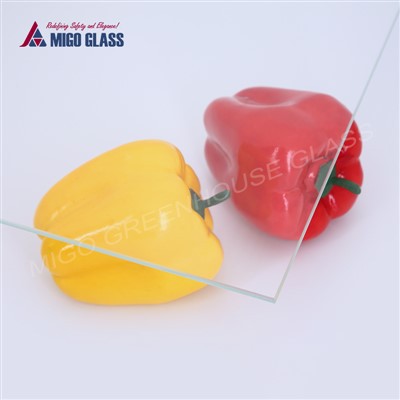
Ultra-thin low-iron glass (typically 1.6–2.0 mm) is engineered to maximize solar energy transmittance while minimizing weight and material usage. With iron oxide content kept extremely low (<0.01%), the glass avoids the greenish tint and absorption losses seen in standard float glass, achieving solar-weighted transmittance often exceeding 91–93% even before anti-reflective (AR) coatings.
In PV modules, 1.6 mm ultra-thin glass is increasingly used for:
- Front sheets: To reduce surface reflection and weight, improving energy yield per square meter.
- Back sheets: In bifacial modules, where high transparency on both sides enhances rear-side energy capture.
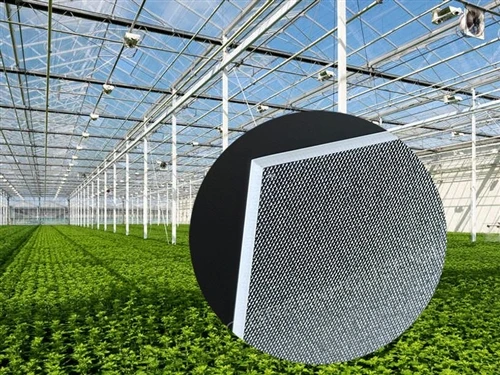
- Solar thermal collectors: Where lightweight, durable cover glass improves thermal efficiency and installation flexibility.
The key to unlocking these benefits is tempering - a heat-treatment process that strengthens the glass by creating compressive surface stress, making it 4–5 times more resistant to impact, wind loads, and thermal shock than annealed glass. For conventional 3.2 mm solar glass, standard tempering furnaces suffice. However, at 1.6 mm, the process becomes far more demanding.
The Unique Challenges of Tempering 1.6mm - 2.0mm Ultra-Thin Glass
At reduced thicknesses, glass becomes significantly more sensitive to thermal gradients. Even minor uneven heating or cooling can cause warping, bowing, or catastrophic breakage. The physics is straightforward: thinner glass has lower thermal mass and conducts heat more quickly, amplifying any localized temperature differences.
To produce defect-free 1.6 mm tempered solar glass, manufacturers must use specialized ultra-thin tempering furnaces designed specifically for this thickness range. These furnaces differ markedly from standard tempering lines in four critical areas.
1. Precision Temperature Control
Standard furnaces: 4–6 zones, ±10–15 °C tolerance - too coarse.
Ultra-thin furnaces: 8–12+ fine zones, ±2–3 °C precision or better. This ensures uniform heating, eliminates hotspots, and prevents warping. Real-time adjustments handle thickness variations and ambient changes.
2. Enhanced Forced Convection Heating
Standard: Mainly radiant heating - uneven on thin glass.
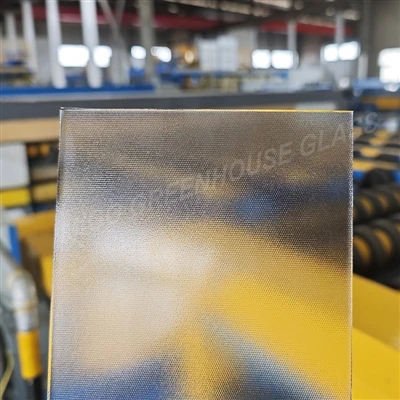
Ultra-thin: Heavy reliance on forced convection with high-velocity hot air via precision nozzles. CFD-optimized arrays and multi-zone blowers deliver consistent heat transfer, especially important for patterned surfaces.
3. Fine-Tuned Quenching & Cooling
Standard: Moderate air pressure/volume control.
Ultra-thin: Dense nozzles, individual zone regulation (20–40 kPa pressure, precise flow), variable blowers, and dynamic sensors. Adaptive profiles balance fast surface cooling (for strength) with controlled core cooling (to avoid deformation or shattering).
4. Narrow Process Window
The process tolerance is extremely tight - seconds or degrees can determine success. Real-time monitoring (pyrometers for temperature, laser scanners for flatness, polariscopes for stress) enables instant micro-adjustments to zone settings or airflow.
Manufacturers monitor multiple parameters in real time: glass surface temperature (via high-resolution pyrometers), flatness (laser scanners), and stress distribution (polariscopes). Any deviation triggers immediate corrective actions, such as adjusting zone temperatures or air flows.
This level of control requires sophisticated automation, experienced operators, and rigorous validation protocols.
Benefits of Ultra-Thin Solar Glass for PV Module and Solar Thermal Projects
When tempered correctly, 1.6 mm ultra-thin low-iron glass delivers:
- Weight reduction of 40–50% compared to 3.2 mm glass, lowering transportation and installation costs.
- Higher transmittance and bifacial performance, contributing to 2–5% gains in module power output.
- Improved mechanical reliability when combined with proper edge processing and AR coatings.
- Cost efficiency through reduced material usage without sacrificing durability.
For project developers and module manufacturers, selecting a supplier capable of consistently producing defect-free ultra-thin tempered glass is a critical decision factor. It directly impacts yield rates, long-term reliability, and overall levelized cost of energy (LCOE).
Migo Glass, a professional manufacturer focused exclusively on solar glass solutions, operates dedicated ultra-thin tempering lines alongside its patterned glass production. This enables consistent delivery of high-quality 1.6 mm tempered solar glass for front and back sheets of PV modules, as well as cover glass in float plate thermal collectors.
Please find more information about Solar Glass Solusion here!!